
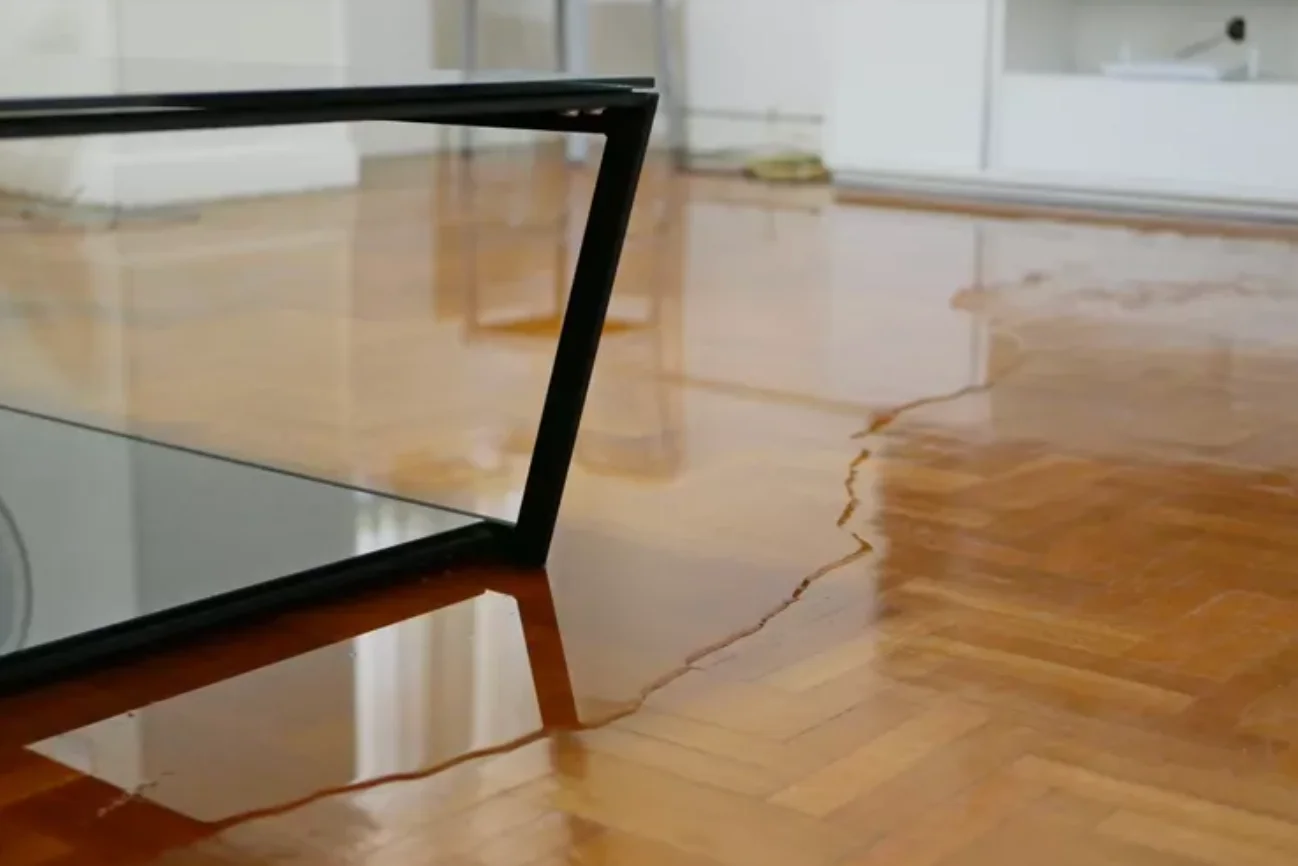
Basement leaks after heavy rain are a common concern for homeowners, especially in regions prone to intense storms or fluctuating weather patterns. Water intrusion can lead to significant damage, including mold growth, structural issues, and ruined belongings. Understanding the underlying causes of these leaks is crucial for preventing future problems and maintaining a dry, healthy living space. Factors such as soil conditions, drainage systems, foundation cracks, and even the design of your home all play a role in how water interacts with your basement. By identifying the root causes, you can take effective steps to protect your property from water damage.
Why Basements Leak After Rain
Poor Drainage Around the Foundation
One of the most significant contributors to basement leaks after heavy rain is poor drainage around the foundation. When rainwater is not properly directed away from the home, it accumulates near the foundation walls. Over time, this water can seep through small cracks or gaps, eventually making its way into the basement. The grading of the soil around your home is a critical factor; if the ground slopes toward the house, water will naturally flow in that direction, increasing the risk of leaks. Additionally, landscaping features such as flower beds or paved walkways can inadvertently trap water against the foundation. Ensuring that the soil slopes away from the house and that downspouts extend far enough to carry water away are essential steps in preventing water from pooling near the basement walls. Regularly checking for areas where water collects and addressing them promptly can make a significant difference in keeping your basement dry.
The Role of Gutters and Downspouts
Gutters and downspouts are designed to channel rainwater away from your home, but when they are clogged, damaged, or improperly installed, they can become a major source of basement leaks. Leaves, twigs, and other debris can block gutters, causing water to overflow and spill directly onto the ground near the foundation. Over time, this repeated exposure to excess moisture can weaken the foundation and create pathways for water to enter the basement. In regions like Las Vegas, where sudden downpours can overwhelm drainage systems, a proper gutter install las vegas can be a crucial preventative measure. Ensuring that gutters are clear and securely attached, and that downspouts direct water at least several feet away from the house, helps minimize the risk of leaks. Regular maintenance, especially before the rainy season, is key to keeping these systems functioning effectively and protecting your basement from water intrusion.
Foundation Cracks and Structural Issues
Cracks in the foundation are another common cause of basement leaks after heavy rain. These cracks can develop over time due to natural settling, temperature fluctuations, or hydrostatic pressure from saturated soil. When rainwater accumulates around the foundation, it increases the pressure on the walls, forcing water through even the smallest openings. In some cases, these cracks may be visible from the inside or outside of the basement, while in others, they may be hidden behind finished walls or flooring. Addressing foundation cracks promptly is essential to prevent water from entering the basement and causing further damage. Professional assessment and repair can help identify the extent of the problem and determine the most effective solution, whether it involves sealing the cracks, installing a drainage system, or reinforcing the foundation. Ignoring these issues can lead to more severe structural problems and costly repairs down the line.
Hydrostatic Pressure Explained
Hydrostatic pressure is a term used to describe the force exerted by water in the soil surrounding your basement. After heavy rain, the soil becomes saturated, and the water has nowhere to go but against the foundation walls. This pressure can be significant, especially in areas with clay-rich soil that retains moisture. As the pressure builds, it can force water through cracks, joints, or porous concrete, leading to leaks and dampness in the basement. Over time, persistent hydrostatic pressure can weaken the foundation and increase the risk of structural damage. Installing a sump pump or an interior drainage system can help relieve this pressure by redirecting water away from the basement. Proper grading and exterior waterproofing are also effective strategies for managing hydrostatic pressure and reducing the likelihood of leaks after heavy rain.
Window Wells and Basement Windows
Basement windows and window wells are often overlooked sources of leaks. When window wells are not properly drained or covered, rainwater can collect and seep through the window frames or the joints between the window and the foundation. Over time, this can lead to water pooling on the basement floor, causing damage to walls, flooring, and personal belongings. Ensuring that window wells are equipped with proper drainage and covers can help prevent water from accumulating and entering the basement. Regularly inspecting the seals around basement windows and repairing any gaps or cracks is also important for keeping water out. In some cases, installing a drainage pipe or gravel at the base of the window well can further improve water management and reduce the risk of leaks during heavy rain.
The Impact of Soil Type and Landscaping
The type of soil surrounding your home plays a significant role in how water is absorbed and drained after heavy rain. Clay soils, for example, tend to retain water and can become saturated quickly, increasing the risk of hydrostatic pressure against the foundation. Sandy soils, on the other hand, allow water to drain more easily but may not provide adequate support for the foundation if not properly compacted. Landscaping choices, such as the placement of trees, shrubs, and flower beds, can also affect drainage patterns around the home. Roots from large trees can disrupt the soil and create pathways for water to travel toward the foundation. Additionally, impermeable surfaces like concrete patios or driveways can prevent water from soaking into the ground, directing it instead toward the basement walls. Thoughtful landscaping and soil management are important considerations for preventing basement leaks and maintaining a dry, stable foundation.
Quick Tips for Preventing Basement Leaks
Regularly inspecting your home’s drainage systems, sealing foundation cracks, and maintaining proper grading around the foundation are simple yet effective ways to reduce the risk of basement leaks. Installing window well covers and ensuring gutters and downspouts are clear can also make a significant difference. Taking these preventative measures can help protect your basement from water damage during heavy rain.
Conclusion
Basement leaks after heavy rain can be a frustrating and costly problem for homeowners, but understanding the causes is the first step toward prevention. Factors such as poor drainage, clogged gutters, foundation cracks, hydrostatic pressure, and even the type of soil around your home all contribute to the risk of water intrusion. By addressing these issues proactively, you can significantly reduce the likelihood of leaks and protect your property from the damaging effects of water. Regular maintenance, timely repairs, and thoughtful landscaping are all important strategies for keeping your basement dry and your home safe. Taking action now can save you time, money, and stress in the long run, ensuring that your basement remains a comfortable and usable space regardless of the weather outside.

Lily Rose is a passionate food blogger with years of experience exploring menus, flavors, and dining trends, delivering clear, reliable insights that help readers discover great food and make confident choices.