
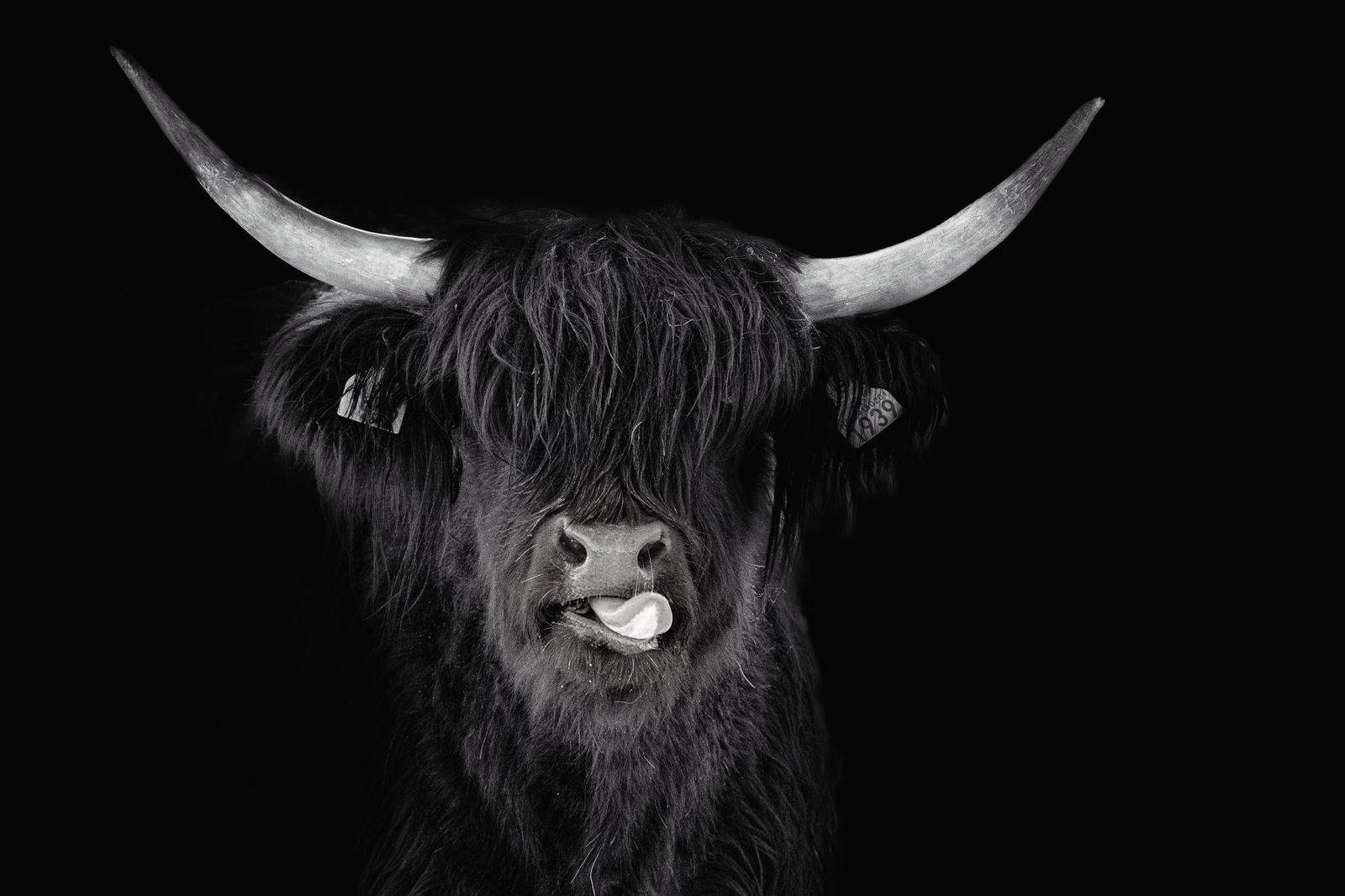
A Highland cow typically costs somewhere between about $1,000 and $5,000 in the United States, though prices vary widely by source and by animal. Miniature calves, registered breeding stock and show-quality animals can cost much more, so treat any single number as a rough guide.
This guide explains what moves the price, what you should budget beyond the purchase, and how to buy responsibly.
Typical Price Ranges
Published figures disagree, which reflects a real market with no standard price. One cost guide puts the average U.S. range at $1,000 to $5,000 or more, while a veterinary cost site lists Highland cattle at about $2,500 to $5,000. A pricing guide from Creatures.com says the extremes can run from a couple of thousand dollars to well above $50,000 for exceptional animals.
| Type | Rough range (varies by seller) |
|---|---|
| Unregistered calf or steer | Lower end, often under a few thousand dollars |
| Registered cow or heifer | Mid range, commonly a few thousand dollars |
| Miniature Highland | Wide spread, some sources cite $1,000 to $6,000 or more |
| Show or champion bloodline | Can exceed $10,000 |
These figures come from commercial guides rather than a regulated price list, so always compare several live listings and ask breeders for current prices.
What Affects the Price
- Age and sex: calves usually cost less than adults, and proven breeding females cost more.
- Registration and pedigree: registered animals with strong bloodlines sell for more.
- Size: miniature Highlands have become popular online, and demand can push prices up.
- Color and coat: some buyers pay extra for rarer colors, though color alone does not guarantee quality.
- Location and delivery: transport can add several hundred dollars or more.
The Cost of Keeping One
The purchase is only the start. Budget for these ongoing costs:
- Feed and hay: estimates vary. One source quotes roughly $75 a month per animal on good pasture, while others cite far more where hay must be bought.
- Fencing and shelter: sturdy fencing, windbreak and clean water.
- Veterinary care: vaccines, deworming and checkups.
- Hoof and general care: occasional trimming and handling equipment.
Land is the biggest variable. If you already have pasture, costs fall. If not, you may need to lease or buy space. For ideas on keeping property in good order, read our guide to property maintenance tips that can prevent expensive repairs.
Before You Buy
Check Local Rules
Zoning, livestock limits and neighbor rules differ by area. Confirm with your local authority that cattle are allowed on your land.
Cows Are Herd Animals
Cattle generally do poorly alone, so plan for at least two animals. That doubles the purchase and upkeep numbers above.
Buy From a Reputable Breeder
Ask for health records, registration papers and a visit to the farm. Be careful with listings that seem unusually cheap or that push you to pay before you see the animal.
Frequently Asked Questions
How much is a Highland cow calf?
Calves are generally cheaper than adults, often from several hundred to a few thousand dollars, depending on registration and size. Prices vary by seller.
Why are miniature Highland cows so expensive?
Demand is high and supply is limited, so a small calf can cost as much as or more than a full-size adult in some listings.
How much does it cost to feed a Highland cow?
It depends on pasture. With good grazing it can be modest, around tens of dollars a month in some estimates, but buying hay raises costs substantially.
Can I keep just one Highland cow?
It is usually not recommended. Cattle are social, so most guidance suggests keeping at least two.
Are Highland cows good pets?
They are known for a calm temperament, but they are still large livestock that need land, fencing and veterinary care.
Do I need a license to own one?
Requirements vary by location. Contact your local agricultural or planning office before buying.
Conclusion
A Highland cow can cost anywhere from roughly a thousand dollars to well beyond ten thousand, with most pet or small-farm buyers landing in the low thousands. Age, pedigree and size drive the number, and ongoing care adds up quickly. Compare several breeders, budget for a pair, and confirm local rules before you commit.

Lily Rose is a passionate food blogger with years of experience exploring menus, flavors, and dining trends, delivering clear, reliable insights that help readers discover great food and make confident choices.