
Unexpected situations can happen anywhere and at any time. A medical emergency at home, an accident in the workplace, or a sudden injury during outdoor activities can leave people feeling overwhelmed if they are not prepared. This is one reason why first aid education has become increasingly important in modern communities. Learning how to respond quickly and calmly during emergencies can make a meaningful difference before professional medical assistance arrives.
First aid courses provide individuals with the practical skills and confidence needed to manage unexpected events effectively. These programs are not only valuable for healthcare workers but also for parents, teachers, office staff, fitness trainers, and everyday community members who want to be prepared for challenging situations.
Building Confidence During Emergencies
One of the greatest benefits of first aid training is the confidence it creates. Many people panic during emergencies because they do not know what actions to take. Proper training helps individuals remain calm and focused while assessing the situation.
Participants learn how to respond to injuries such as cuts, burns, fractures, allergic reactions, and breathing difficulties. They also gain knowledge about how to communicate clearly with emergency services and provide immediate support until professional help arrives.
People who complete first aid courses in Bundaberg often discover that the training improves their decision-making abilities in stressful situations. Instead of feeling helpless, they become more prepared to take responsible action when someone requires assistance.
Understanding the Importance of CPR Skills
Cardiopulmonary resuscitation is one of the most important components of emergency training. When someone has a cardiac arrest, CPR can help keep their blood and oxygen flowing. Quick action during these critical moments may increase survival chances significantly.
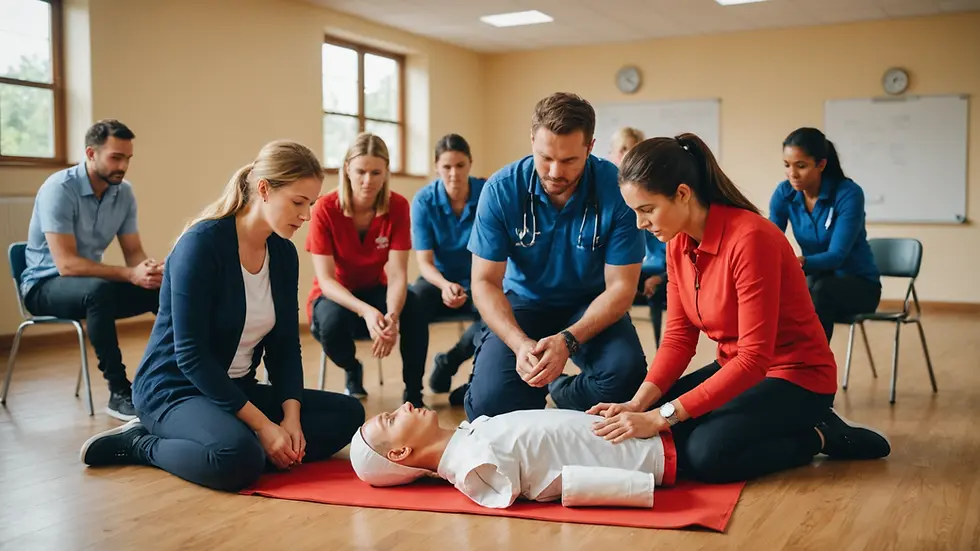
Attending a CPR course Bundaberg allows individuals to practice life-saving techniques in a structured environment. Participants learn how to perform chest compressions correctly, understand emergency response procedures, and recognise signs of cardiac distress.
These practical sessions are designed to create confidence through hands-on learning. The experience of practising emergency response skills can help people react faster and more effectively during real-life emergencies.
Supporting Workplace and Community Safety
First aid training also plays a valuable role in improving safety within workplaces and public environments. Many industries encourage employees to complete emergency response programs because accidents can happen unexpectedly in offices, construction sites, schools, retail stores, and recreational facilities.
When more people in a workplace are trained in emergency care, the environment becomes safer for everyone. Staff members are better prepared to respond to injuries quickly and reduce the severity of incidents before medical professionals arrive.
Communities also benefit when individuals have first aid knowledge. Sporting events, community gatherings, schools, and public venues become more secure when trained people are available to assist during emergencies.
Encouraging Long-Term Preparedness
Another important advantage of first aid education is the development of long-term preparedness habits. People who complete training courses often become more aware of safety risks in their daily routines. They may improve home safety measures, create emergency plans, or keep medical supplies readily available.
Obtaining a first aid certificate Bundaberg can also support personal and professional growth. Many employers value certified first aid skills because they demonstrate responsibility, awareness, and the ability to handle pressure effectively.
Regular refresher courses further help individuals maintain updated knowledge and stay informed about modern emergency response practices. This ongoing learning process encourages people to remain prepared throughout different stages of life.
A Valuable Skill for Everyday Life
First aid knowledge is not limited to professional settings. It is a practical life skill that can benefit anyone at any age. Emergencies rarely come with warnings, which is why preparation matters so much.
By participating in first aid training, individuals develop confidence, practical abilities, and greater awareness of how to support others during difficult moments. Whether responding to a family emergency, helping a colleague, or assisting a stranger in public, these skills can have a lasting impact.
As more people recognise the importance of emergency preparedness, first aid education continues to grow as an essential part of modern life and community safety.
