
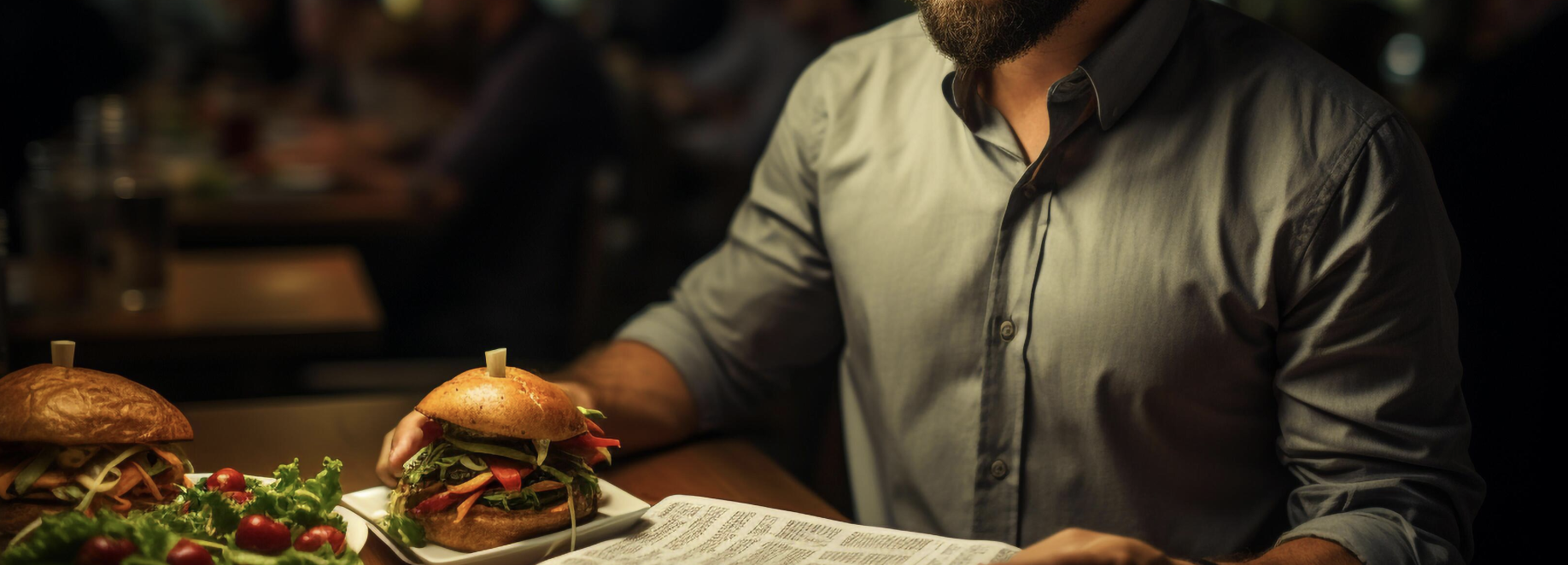
Dining out has always been a communal activity, but in recent years, the hospitality industry has witnessed a significant shift in how people want to experience their meals together. Gone are the days when guests would strictly order individual appetizers, main courses, and desserts without sharing a single bite. Today, patrons are seeking highly interactive, communal experiences that foster connection, conversation, and a deep sense of togetherness. Consequently, the art of menu engineering has evolved dramatically to accommodate these changing consumer preferences.
The question of how restaurants are designing menus for better group dining experiences has become central to culinary strategy, operations, and marketing. Establishments are moving away from rigid, solitary plating toward dynamic, flexible formats that celebrate the joy of sharing. By reimagining portion sizes, incorporating diverse dietary options seamlessly into shared platters, and utilizing innovative digital interfaces to streamline the ordering process, visionary chefs and restaurateurs are transforming the traditional meal into a memorable event. This strategic approach not only elevates customer satisfaction but also optimizes kitchen efficiency and maximizes revenue.
In this comprehensive guide, we will explore the cutting-edge trends and psychological principles that are shaping modern menus, ensuring that every gathering is a truly unforgettable adventure.
Embracing the Shared Feast: The Rise of Family-Style Offerings
One of the most prominent ways establishments are adapting to modern social dynamics is by heavily promoting family-style offerings. When a large party sits down at a table, the logistical challenge of taking individual orders can disrupt the flow of conversation and delay service. To counter this, chefs are crafting oversized platters and shareable bowls that serve as the centerpiece of the table. Whether it is a massive board of artisanal charcuterie or a towering seafood display, these communal dishes instantly break the ice.
For consumers organizing a celebration or casual get-together, choosing group dining options that feature shared plates eliminates the dreaded food envy. It allows guests to sample a wider variety of flavors, textures, and ingredients than they would if confined to a single entrée. Furthermore, this style of eating encourages interaction, as diners physically pass dishes to one another, sparking discussions and naturally elevating the convivial atmosphere.
Curating Customizable Set Menus for Diverse Dietary Needs
Catering to a large table inevitably means navigating a complex maze of dietary restrictions, food allergies, and personal lifestyle preferences. In the past, accommodating vegans, gluten-free diners, and meat-lovers at the same table was a daunting task that often left someone feeling marginalized. Today, restaurants are designing menus with inclusivity as a foundational pillar. Instead of treating dietary requirements as an afterthought, chefs are creating customizable set menus that offer modular substitutions without compromising the integrity of the dish.
For example, a shared taco board might feature a base of vibrant, plant-based proteins alongside traditional slow-roasted meats, ensuring everyone can build their ideal meal. Clear iconography and transparent ingredient lists make it easy for guests to navigate their choices confidently without needing to interrogate the waitstaff. By designing menus that naturally integrate diverse dietary needs, restaurants ensure that every single guest feels valued, safe, and fully included in the shared experience.
Interactive and Engaging Menu Presentations
The visual layout and physical presentation of the menu itself play a crucial role in shaping how large parties interact with the food offerings. Designers are moving away from cluttered, text-heavy pages and embracing minimalist aesthetics that highlight high-margin, shareable items. Using strategic psychological cues—like placing large-format dishes in the menu center or utilizing elegant, bold typography—directs the group’s attention toward collaborative dining choices.
Beyond the printed page, some innovative venues are introducing interactive elements such as tabletop QR codes that link to rich, multimedia digital menus. These platforms can showcase mouth-watering videos of a sizzling tomahawk steak being sliced or a decadent dessert being flambéed at the table. This visual storytelling captivates the entire party, turning the ordering process into a collaborative, entertaining activity. When the menu acts as a visually stimulating guide rather than a simple price list, groups are more likely to order adventurously and spend more.
Strategic Pricing and Upselling for Larger Parties
Effective menu design for larger gatherings also involves a deep understanding of pricing psychology and strategic upselling. When people dine in groups, the collective budget often feels more flexible, making it the perfect opportunity for restaurants to offer premium add-ons and curated beverage pairings. Savvy restaurateurs are structuring their menus to include tiered pricing models for shared experiences, such as offering a standard and a premium feast. Highlighting the value of purchasing a large-format cocktail pitcher or a magnum of wine compared to individual glasses subtly encourages bulk purchasing.
Additionally, menus are utilizing enticing language to suggest add-ons, like extra truffles shaved tableside or a supplementary flight of artisanal sauces. By framing these options as enhancements rather than mere extras, the menu intuitively guides the party toward a more luxurious, higher-ticket experience. This seamless integration of upselling not only boosts the restaurant’s bottom line but also leaves guests feeling pampered.
Streamlining the Ordering Process with Digital Solutions
The operational friction of serving a large party can be significantly reduced through smart, technology-driven menu solutions. Taking orders for a table of twelve can be chaotic, leading to miscommunications, delayed ticket times, and frustrated guests. To mitigate this, many forward-thinking restaurants are implementing digital menu ecosystems that allow groups to order collaboratively from their own smartphones while seamlessly syncing the data to a single table tab.
This innovation empowers diners to add drinks, side dishes, or another round of appetizers at their own pace without waiting to flag down a server. Furthermore, these digital menus can automatically calculate split bills, entirely removing the awkwardness and mathematical gymnastics that usually conclude a group meal. By integrating these technological advancements directly into the menu interface, restaurants ensure a smooth, uninterrupted dining experience where the focus remains squarely on the delicious food, the inviting ambiance, and the joy of shared company together.
Frequently Asked Questions
1. Why are restaurants shifting toward shared plates for large groups?
Shared plates naturally encourage social interaction, reduce the wait time for individual orders, and allow guests to sample a wider variety of the restaurant’s offerings. This collaborative style creates a more memorable, dynamic, and engaging dining experience for everyone involved.
2. How do set menus benefit large dining parties?
Set menus eliminate decision fatigue and ensure a steady, well-paced flow of food from the kitchen. They also allow the restaurant to prepare for dietary restrictions in advance, guaranteeing that everyone in the group is accommodated seamlessly without slowing down the service.
3. What role does digital technology play in group dining?
Digital menus and smart ordering systems streamline the process by allowing multiple guests to view choices, order simultaneously from their own devices, and easily split the bill at the end of the night. This removes the traditional pain points associated with serving large parties.
4. How can restaurants cater to different dietary needs in a group setting?
By designing customizable platters and modular dishes, restaurants can offer varied proteins and bases. Clear menu labeling with universally recognized icons for vegan, gluten-free, and allergy-friendly options also helps guests navigate the menu safely and independently without feeling alienated.
5. What is the “golden triangle” in menu design?
The golden triangle is a visual psychology concept where a diner’s eyes naturally move first to the middle of the menu, then to the top right, and finally to the top left. Restaurants place their most profitable, shareable group items in these zones to boost sales.
Final Thoughts
In an era where consumers crave authentic connection and memorable experiences, the way a restaurant presents its food is just as important as the cuisine itself. The ongoing evolution of how restaurants are designing menus for better group dining experiences highlights a broader industry shift toward hospitality that prioritizes community, inclusivity, and convenience.
By embracing family-style plating, leveraging digital innovations, accommodating diverse dietary needs, and applying smart menu psychology, establishments can turn a chaotic large table into a beautifully orchestrated symphony of shared joy. Ultimately, a thoughtfully engineered menu is the ultimate tool for fostering togetherness, driving revenue, and ensuring that every group leaves with satisfied appetites and wonderful memories.
